Vital Signs: Shape Our Community’s Future!
About the Vital Signs - Needs Assessment
Vital Signs uses local knowledge to measure the vitality of our community and support action towards improving collective quality of life.
Local data gathered through the program is used to support evidence-based, locally-relevant solutions to improve the quality of life at the community level.
Vital Signs aims to inspire civic engagement, to provide focus for public debate, and to help a range of actors take action and direct resources where they will have the greatest impact.

OUR PROCESS
Vital Conversations
A Vital Signs community needs assessment survey was conducted in the summer of 2024. The results of that data collected will be compiled and shared publicly.
Design Lab
Once the survey closes, we will be hosting a community Design Lab, to review the data collected, discuss strategies for responding to the results, and ways in which we can collectively address gaps.
What we'll learn
Local data gathered through the program is used to support evidence-based, locally-relevant solutions to improve the quality of life at the community level. Improve your community, participate now.
Vital Signs Report
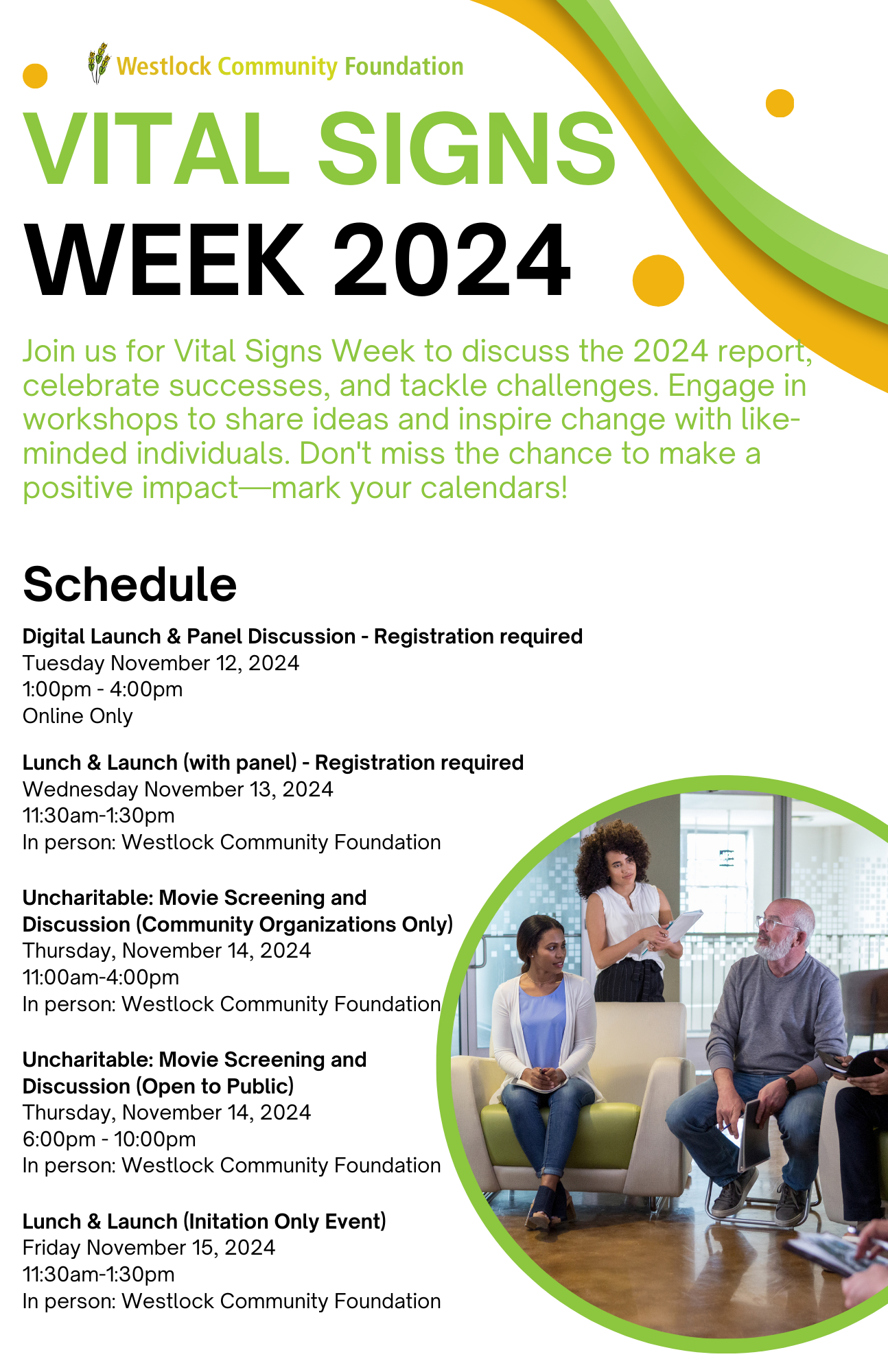
In November, we will release a report to the community based on what we have learned and recommendations for next steps.
Community Leadership Committee
Powered by Westlock Community Foundation
A group of local leaders have been brought together to form the Community Leadership (Vital Signs) Committee. This group is helping to steer the project, and oversee the success of implementation of the recommendations.
Committee Member Organizations Include:
Westlock & District FCSS
Hope Resource Centre
WIN (Westlock Independence Network)
Westlock Child Care Society
Town of Westlock
Village of Clyde
Westlock County
Bridging the Gap
In 2022, Westlock & District FCSS undertook a similar initiative, and developed a report entitled "Bridging the Gap". The Vital Signs Community Leadership Committee is using this report as a baseline for developing, measuring, and reporting on the the results of this community survey and data collection. The participate in the survey, click below.
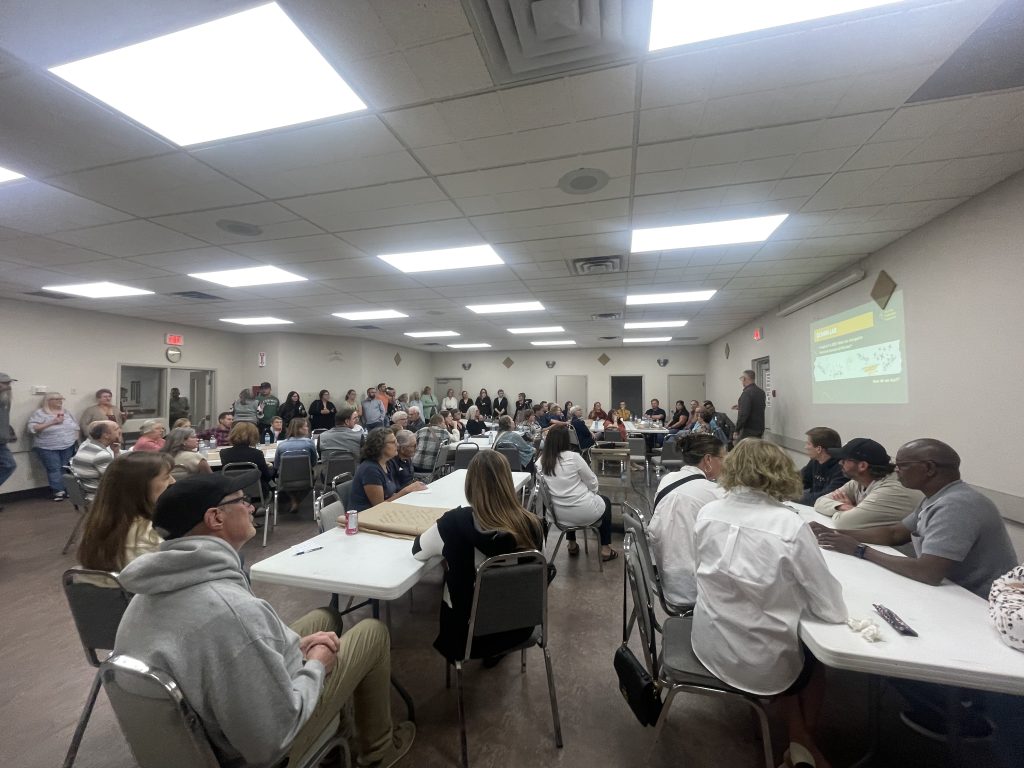
On September 17, 2024, we hosted a community design lab, and had almost 100 participants. This exercise allowed us to discuss the community priorities that were identified through data collected, and to generate ideas on what we can do to continue making our region vibrant, safe, affordable, welcoming, and fun!
What is a Design Lab?
A community design lab is a collaborative, multidisciplinary experience where community members, designers, researchers, and other stakeholders come together to address complex social, environmental, and urban issues through design and innovation.
These labs are grounded in the principles of co-creation, participatory design, and human-centered design, emphasizing the importance of involving those who are affected by the challenges being addressed in the creation of solutions.